
Choosing the Right Materials for Long-Lasting Outdoor Sculptures
Why Material Choice is Crucial
Selecting the right materials for outdoor sculptures is essential for ensuring longevity, safety, and aesthetic appeal. Outdoor sculptures are exposed to sun, rain, wind, and temperature fluctuations, and poor material choices can result in corrosion, fading, cracking, or structural failure. Choosing durable, weather-resistant materials not only protects your investment but also ensures that your garden remains visually striking year after year.
Beyond durability, materials influence the style, texture, and overall impact of the sculpture, helping it complement plants, pathways, and other garden elements.
Natural Stone: Timeless and Durable
Granite and Marble
Granite and marble are classic choices for outdoor sculptures. They are highly durable, resistant to weathering, and can maintain their beauty for decades. Granite offers strength and minimal maintenance, while marble adds elegance but may require occasional sealing to protect against staining and erosion.
Sandstone and Limestone
Sandstone and limestone offer softer textures and natural color variations, creating a more organic look. While slightly less durable than granite, careful placement and protection from excessive moisture can extend their lifespan. These stones are ideal for sculptures that integrate closely with plantings or natural landscapes.
Metals: Strength and Versatility
Bronze
Bronze is prized for its longevity, rich color, and ability to develop a natural patina over time. It withstands outdoor conditions remarkably well and is resistant to corrosion. Bronze sculptures can feature intricate detailing, making them ideal for artistic or figurative pieces.
Stainless Steel
Stainless steel provides a sleek, modern appearance and excellent durability. It resists rust and can withstand extreme weather, making it perfect for contemporary garden designs or sculptures exposed to rain and snow. Reflective surfaces can also add dynamic visual effects in sunlight.
Aluminum and Copper
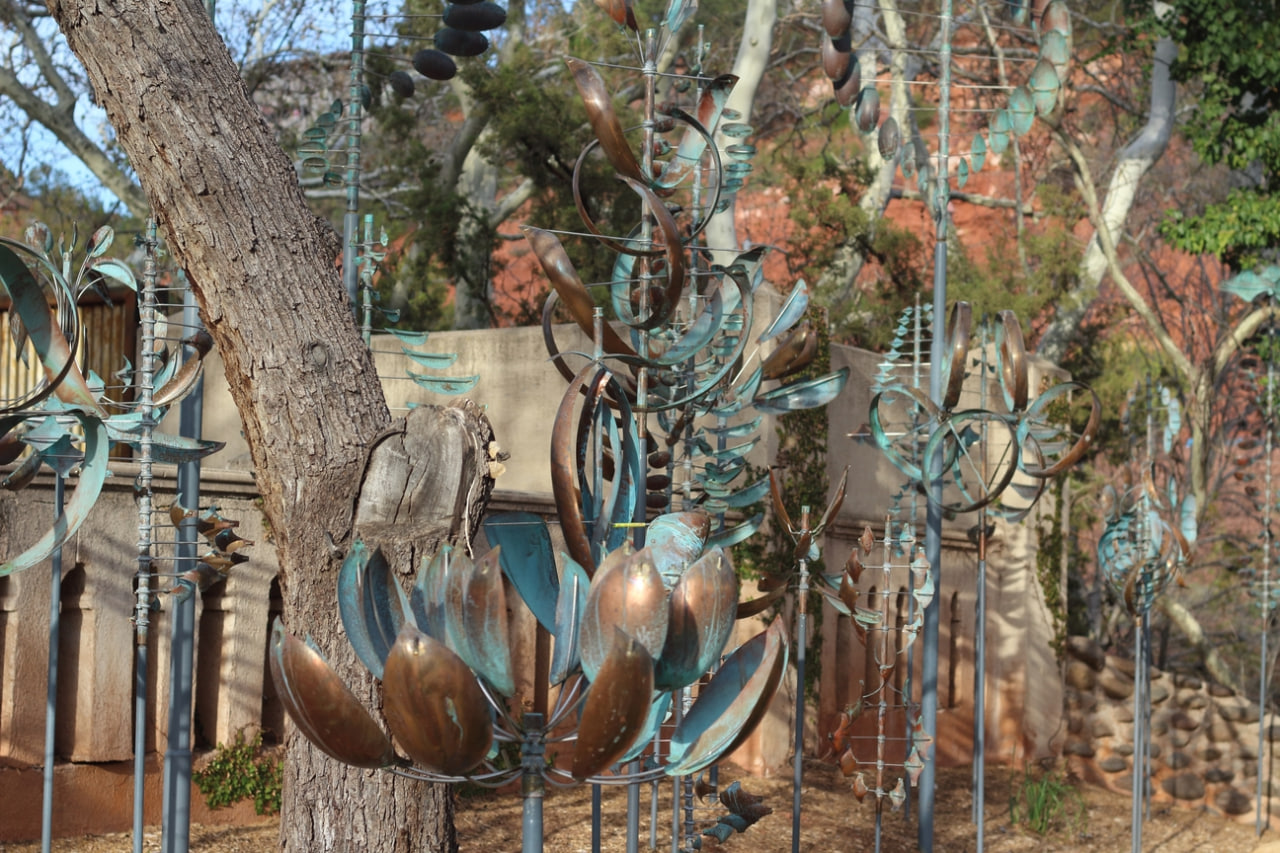
Aluminum is lightweight, corrosion-resistant, and easy to work with, suitable for larger structures that require mobility or installation ease. Copper develops a unique green patina over time, creating a natural, aged look that adds character to the garden.
Wood: Natural and Warm
Wood brings a soft, organic quality to outdoor sculptures. Hardwoods such as cedar, teak, or oak are preferred due to their natural resistance to decay and insects. Treated and sealed wood can withstand moisture, UV exposure, and temperature changes, though it requires regular maintenance to ensure longevity. Wood works beautifully for carvings, abstract forms, and furniture-like sculptures.
Ceramics and Glass: Artistic Statements
Ceramic and glass sculptures offer vibrant colors and artistic possibilities. When properly fired and glazed, ceramics are weather-resistant and can survive outdoor exposure. Glass adds light, transparency, and reflections but is best suited for sheltered areas or protected installations to prevent breakage. Both materials can be combined with stone or metal bases for stability and safety.
Recycled and Eco-Friendly Materials
Using reclaimed or recycled materials provides sustainability benefits and unique visual appeal. Reclaimed wood, metal scraps, and repurposed stone can create one-of-a-kind sculptures while reducing environmental impact. Ensure that any recycled materials are cleaned, stabilized, and treated to withstand outdoor conditions safely.
Protective Measures for Longevity
Sealants and Coatings
Applying protective sealants to wood, stone, and metal can prevent water damage, UV fading, and corrosion. Sealants should be non-toxic and suitable for outdoor use, preserving the sculpture’s integrity without harming wildlife.
Placement Considerations
Position sculptures in areas with partial shelter from harsh weather or direct sun to reduce wear. Avoid placing delicate pieces in flood-prone zones or areas exposed to heavy wind. Even durable materials benefit from thoughtful placement to minimize stress over time.
Regular Maintenance
Periodic cleaning, inspection, and minor repairs extend the life of outdoor sculptures. Remove debris, dirt, and moss, check for cracks or rust, and reapply protective coatings as needed. Maintenance ensures that sculptures continue to look their best and remain safe for garden visitors.
Combining Materials for Optimal Effect
Many of the most successful outdoor sculptures combine multiple materials to balance strength, aesthetics, and weather resistance. For example:
- A bronze sculpture mounted on a stone pedestal provides stability and timeless elegance.
- A wooden sculpture reinforced with metal supports can achieve both organic texture and structural integrity.
- Glass or ceramic elements can be incorporated into metal frameworks to add color and light play.
Combining materials allows artists and gardeners to create durable, visually striking pieces that maximize both form and function.