
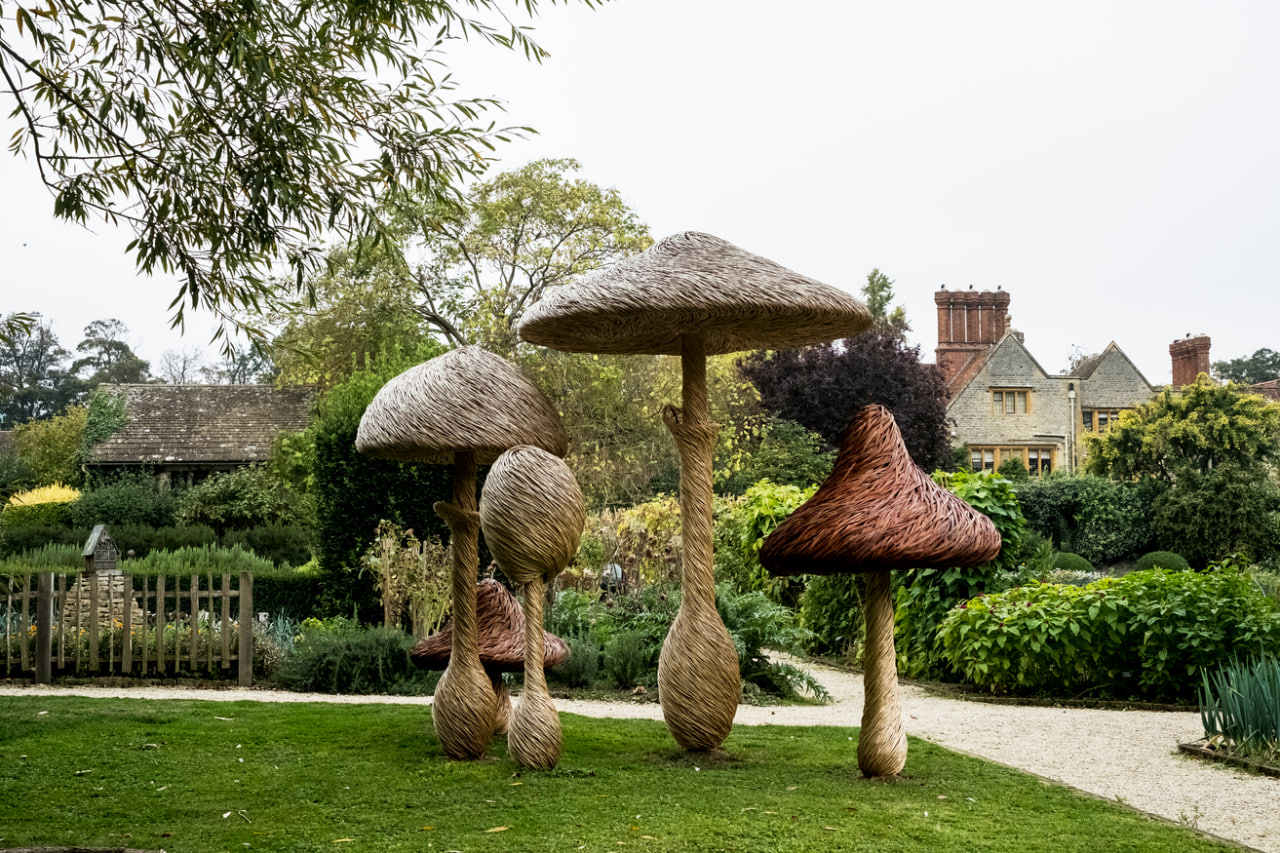
Creating Focal Points: How Sculptures Enhance Outdoor Spaces
The Importance of Focal Points
Focal points are the visual anchors of any outdoor space, guiding the viewer’s eye and giving structure to a garden or yard. Sculptures are particularly effective as focal points because they combine form, texture, and presence in a way that draws attention naturally. Unlike plants, which change with seasons, sculptures provide a consistent and intentional element that anchors a landscape design.
A well-placed sculpture can highlight a key area, complement natural features, or create contrast with the surrounding greenery, making the garden feel curated, intentional, and visually engaging.
Choosing the Right Sculpture as a Focal Point
Scale and Proportion
The sculpture should match the scale of the space. Large sculptures dominate wide-open areas, while smaller pieces suit intimate corners or pathways. Proper proportion ensures the sculpture enhances the garden rather than overwhelms it.
Style and Theme
Select a sculpture that aligns with the overall garden style. Modern abstract pieces work well in contemporary gardens, while classical or nature-inspired sculptures complement traditional landscapes. Thematic coherence strengthens the sense of unity and aesthetic balance.
Material and Texture
Material choice affects how the sculpture interacts with light, shadow, and surrounding plants. Stone and bronze provide permanence and gravitas, while glass, ceramics, or brightly painted materials can create striking contrast. Texture adds depth and visual interest, especially when paired with softer plant textures.
Strategic Placement Techniques
Central Placement
Positioning a sculpture at the center of a garden bed, circular path, or lawn draws immediate attention. Central focal points work well for symmetrical designs and provide a natural gathering spot for the eye.
Pathway Accents
Placing sculptures along pathways or at the end of walkways encourages exploration. As visitors move through the space, the sculpture becomes a visual reward and guides movement, creating a sense of discovery.
Framing with Natural Elements
Use plants, trees, or architectural elements to frame the sculpture. Shrubs or flowering plants can direct attention toward the piece, while trellises, pergolas, or water features add context and enhance the sculpture’s visual impact.
Multi-Angle Considerations
Ensure that the sculpture can be appreciated from multiple angles. Rotating or slightly repositioning pieces over time can refresh the garden’s appearance, keeping the focal point dynamic and engaging throughout the year.
Enhancing Visual Contrast
Color and Light
Contrast the sculpture’s color with surrounding greenery or seasonal flowers. A dark bronze statue stands out against bright blooms, while a brightly painted sculpture pops among neutral tones. Lighting also enhances contrast—uplights, spotlights, or soft path lights can create shadows and highlight textures at night.
Material Juxtaposition
Mix materials to emphasize form and draw attention. For example, pairing a smooth metal sculpture with rough stone or textured wood adds dimension, emphasizing the sculpture as a deliberate focal point.
Seasonal Interest
Select sculptures that interact with seasonal changes. Reflective or transparent materials catch sunlight and rain, while evergreen plantings around the sculpture ensure year-round visibility. Seasonal flowering plants or grasses can shift the backdrop, creating evolving visual experiences.
Functional Integration
Seating and Interaction
Some sculptures serve dual purposes, such as benches, water features, or interactive art. These pieces invite engagement while reinforcing their role as a focal point.
Complementing Water Features
Sculptures near ponds, fountains, or streams amplify visual impact through reflections, movement, and sound. The combination of natural elements and artistic forms enhances the sensory experience of the garden.
Supporting Garden Themes
Focal-point sculptures can reinforce the garden’s theme, such as whimsical pieces in a playful space, abstract forms in modern designs, or classical figures in traditional gardens. This integration strengthens coherence and elevates the overall aesthetic.
Long-Term Considerations
Durability and Maintenance
Ensure that focal-point sculptures are made from durable materials suitable for outdoor exposure. Regular cleaning and protective coatings maintain appearance and structural integrity over time.
Evolving Landscapes
As plants grow and garden layouts evolve, the sculpture’s placement may need adjustment. Planning for flexibility ensures that the focal point remains effective and harmonious with the changing landscape.
Encouraging Observation and Reflection
A well-chosen focal sculpture encourages visitors to pause, reflect, and enjoy the surrounding space. It enhances the garden experience, making it not only visually appealing but emotionally engaging.