
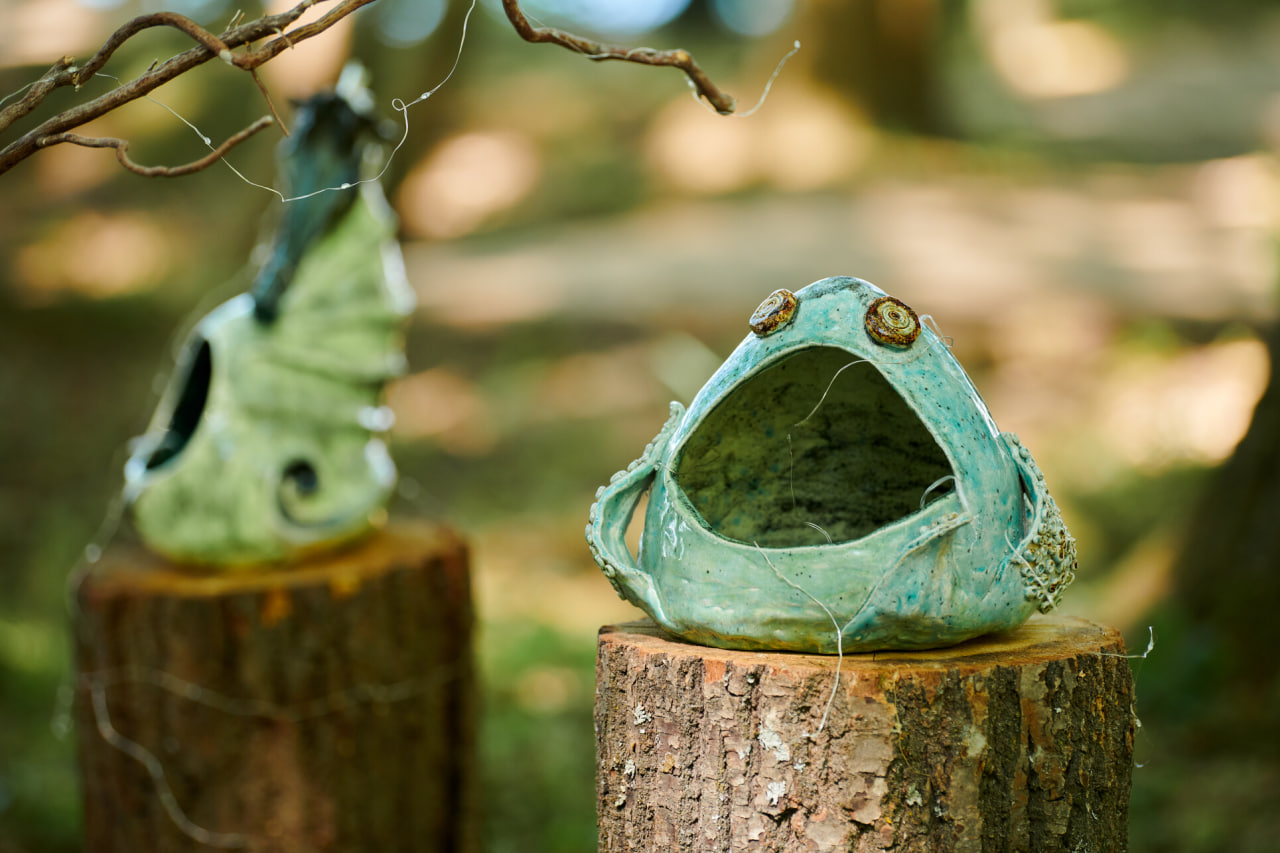
Integrating Sculptures into Your Garden: Design Tips and Tricks
Why Sculptures Enhance Gardens
Garden sculptures are more than decorative objects—they bring personality, depth, and focal interest to outdoor spaces. Whether placed in a small courtyard, a sprawling backyard, or a rooftop garden, sculptures can create visual rhythm, highlight natural elements, and guide visitors’ attention through the landscape. The right sculpture can transform a simple garden into a curated space that feels both artistic and inviting.
Integrating sculptures thoughtfully ensures that they complement plants, water features, and pathways, rather than overwhelm or clash with the garden’s existing aesthetic. Understanding design principles and placement strategies is key to creating a harmonious outdoor environment.
Choosing the Right Sculpture for Your Space
Scale and Proportion
Consider the size of your garden when selecting a sculpture. Large, bold pieces can dominate small spaces, while tiny sculptures may be lost in expansive gardens. Proportion ensures that the sculpture enhances, rather than disrupts, the overall design.
Style and Theme
Match sculptures to your garden’s theme or style. Contemporary abstract sculptures work well in modern gardens, while classical or naturalistic pieces suit traditional landscapes. Aligning style helps create cohesion and strengthens the visual impact.
Material Considerations
Select materials based on climate, maintenance, and aesthetic goals. Stone, metal, and treated wood are durable options for outdoor settings, while glass, ceramic, or lightweight composites may suit sheltered areas. Weather-resistant finishes extend lifespan and reduce upkeep needs.
Placement Principles
Focal Points
Position sculptures at strategic locations to draw attention. This could be the end of a pathway, the center of a flowerbed, or beside a seating area. Focal points guide the eye and create visual hierarchy, making the garden feel purposeful and thoughtfully arranged.
Framing with Plants
Use surrounding plants to frame sculptures. Shrubs, tall grasses, or flowering perennials can create depth, highlight textures, and provide seasonal interest that changes the sculpture’s appearance throughout the year.
Sightlines and Perspectives
Consider multiple viewing angles. Sculptures should be appreciated from different vantage points—whether walking along a path, sitting on a patio, or entering from the garden gate. Rotating or repositioning pieces occasionally can refresh the garden experience.
Creating Balance and Harmony
Symmetry and Asymmetry
Decide whether you want symmetrical or asymmetrical arrangements. Symmetry offers formality and order, while asymmetry creates a more natural, dynamic flow. Both approaches can be effective depending on the overall garden design.
Grouping and Spacing
Group smaller sculptures together for impact or spread larger pieces across the garden for variety. Maintain adequate spacing to prevent visual clutter and allow plants and pathways to remain functional and accessible.
Layering Textures
Contrast the sculpture’s material with surrounding foliage, rocks, or water elements. Smooth metal sculptures can stand out against rough stone or dense greenery, while textured wood complements soft plant textures. Layering creates interest and emphasizes the sculpture as part of a multi-dimensional environment.
Seasonal Considerations
Weather Protection
In regions with harsh winters or heavy rainfall, place sculptures in sheltered areas or use weather-resistant materials. Removable or modular pieces allow you to protect delicate artworks during extreme weather.
Changing Backdrops
Take advantage of seasonal changes to highlight sculptures differently throughout the year. Flowering plants, autumn foliage, and snow can create evolving visual effects that keep the garden engaging.
Lighting Effects
Outdoor lighting enhances sculptures at night and adds drama to the garden. Use spotlights, uplights, or subtle path lights to create shadows, highlight textures, and emphasize key features. Adjustable lighting allows seasonal flexibility and nighttime enjoyment.
Interactive and Functional Sculptures
Seating and Play Features
Some sculptures double as functional elements, such as benches, stepping stones, or bird baths. These pieces encourage interaction while maintaining aesthetic appeal, making the garden more inviting for visitors of all ages.
Water Features
Sculptures incorporated into fountains or ponds add motion, sound, and reflective surfaces that enhance the sensory experience. Flowing water can also attract birds and wildlife, bringing life to your garden.