
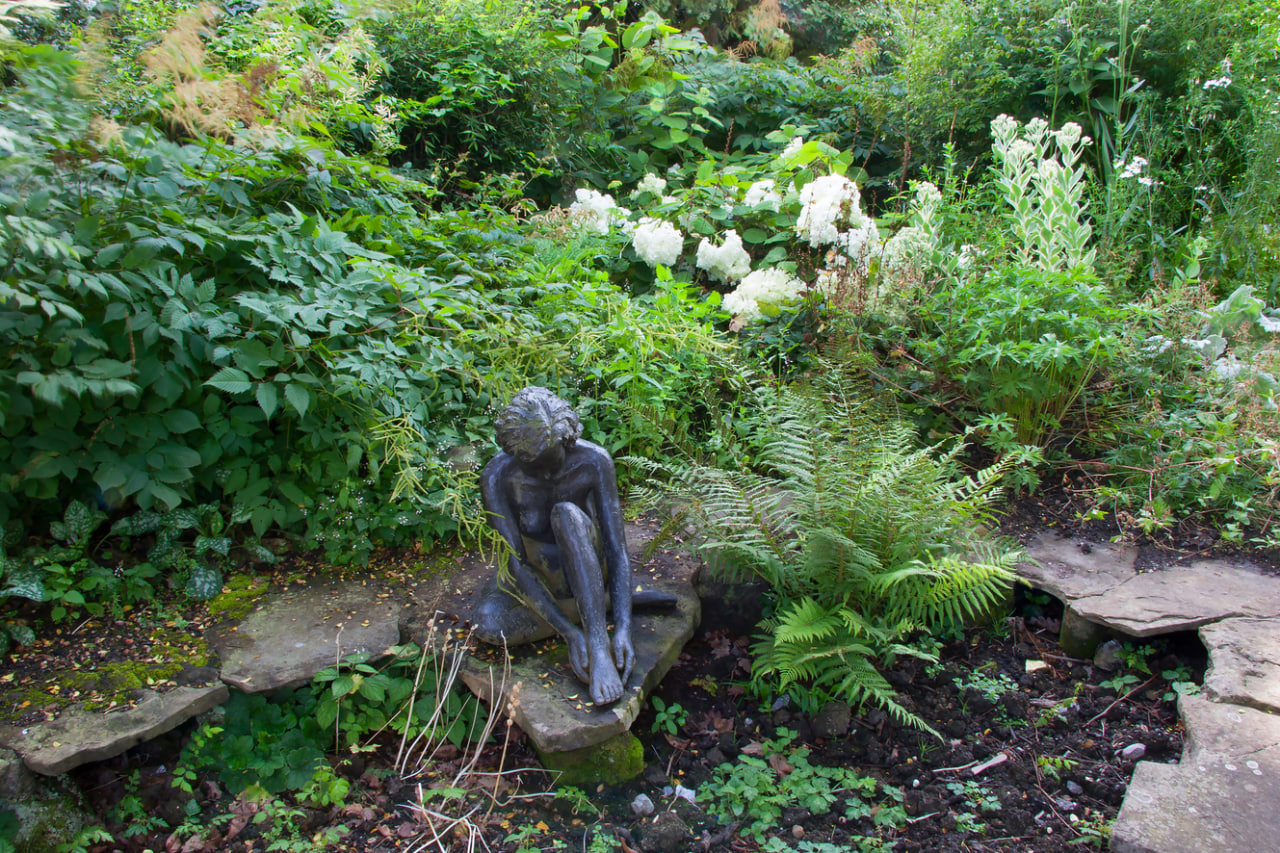
Seasonal Care for Garden Art: Protecting Sculptures Year-Round
Why Seasonal Care Matters
Garden sculptures are investments in both beauty and artistry. Exposed to the elements year-round, they face challenges such as sun, rain, snow, wind, and temperature fluctuations. Without proper seasonal care, even the most durable materials can fade, corrode, or crack over time. Protecting sculptures ensures they remain visually striking, structurally sound, and safe for your outdoor space.
Regular maintenance also helps preserve the artistic details of sculptures, keeping them as intended by the artist while extending their lifespan and value.
Spring Maintenance: Revival and Preparation
Cleaning and Inspection
After winter, remove debris, dirt, and any accumulated grime from sculptures. Inspect surfaces for cracks, rust, or structural damage caused by freezing temperatures or heavy snow. Addressing small issues early prevents larger problems later.
Repositioning and Plant Integration
As plants begin to grow, consider adjusting sculptures to maintain visibility and harmony with the garden layout. Prune surrounding foliage or reposition sculptures to optimize sightlines and ensure they remain prominent features.
Protective Coatings
Apply non-toxic, weather-resistant sealants to wood, metal, or stone to protect against moisture and UV exposure. Spring is ideal for treating surfaces before the intense summer sun and occasional spring storms.
Summer Maintenance: Heat and Hydration Considerations
Preventing Sun Damage
Prolonged sun exposure can fade painted surfaces, dry out wood, and heat metal surfaces excessively. Position sculptures in partial shade or use natural or artistic covers to reduce direct sunlight exposure during the hottest parts of the day.
Pest and Wildlife Protection
Warm weather attracts birds, insects, and small animals that may interact with sculptures. Monitor for signs of damage or nesting, and take gentle measures to prevent unwanted interference without harming wildlife.
Cleaning and Polishing
Dust, pollen, and occasional rain deposits can accumulate in summer. Wipe down surfaces regularly and polish metals or treated stones to maintain luster and prevent corrosion.
Autumn Maintenance: Preparing for Winter
Clearing Debris
Remove fallen leaves, seeds, and other debris from sculptures and bases. Organic material can trap moisture, encouraging mold, rot, or rust as temperatures drop.
Seasonal Adjustments
Switch sculptures’ positions if necessary to protect them from heavy winds or falling branches. Ensure freestanding pieces are stable and secure to prevent tipping during storms.
Reapplying Sealants
Autumn is a good time to reapply protective coatings to wood, metal, and stone. This extra layer helps sculptures withstand snow, frost, and freezing temperatures during winter.
Winter Maintenance: Protection from Extreme Conditions
Sheltering and Covering
Move delicate or valuable sculptures to sheltered areas, such as under eaves, porches, or temporary protective covers. Heavy snow, ice, and strong winds can cause cracking or structural damage if pieces are left fully exposed.
Clearing Snow and Ice
Regularly remove snow accumulation and ice from sculptures. Avoid using sharp tools that may scratch surfaces; soft brushes or cloths are preferable. Keeping sculptures clear prevents excessive weight stress and potential damage.
Monitoring Salt and Chemical Exposure
If your garden or pathways are treated with salt or chemicals for winter safety, ensure these substances do not contact sculptures. Salt can corrode metals and harm stone finishes.
Year-Round Tips for Longevity
Regular Cleaning
Regardless of season, clean sculptures at least once every few weeks. Remove dust, pollen, or dirt, and rinse thoroughly with water when appropriate. Regular care prevents buildup that can degrade surfaces.
Inspect and Repair
Check for signs of wear, cracks, or instability throughout the year. Prompt repairs maintain safety and prevent minor issues from becoming major structural problems.
Adapt to Changing Environments
Gardens evolve as plants grow and layouts change. Adjust sculpture placement to accommodate new sightlines, plantings, or seasonal blooms. Dynamic positioning keeps sculptures relevant and visually appealing.
Lighting Considerations
Outdoor lighting can protect sculptures from fading while enhancing nighttime visibility. Use spotlights or soft illumination to showcase textures, shadows, and details, while avoiding excessive heat exposure from lighting.
Choosing Weather-Resistant Materials
Selecting durable materials from the start reduces seasonal maintenance. Stone, bronze, stainless steel, and treated wood resist extreme weather and require less frequent intervention. Combining materials, such as metal bases with ceramic or glass elements, allows both artistic expression and structural resilience.